

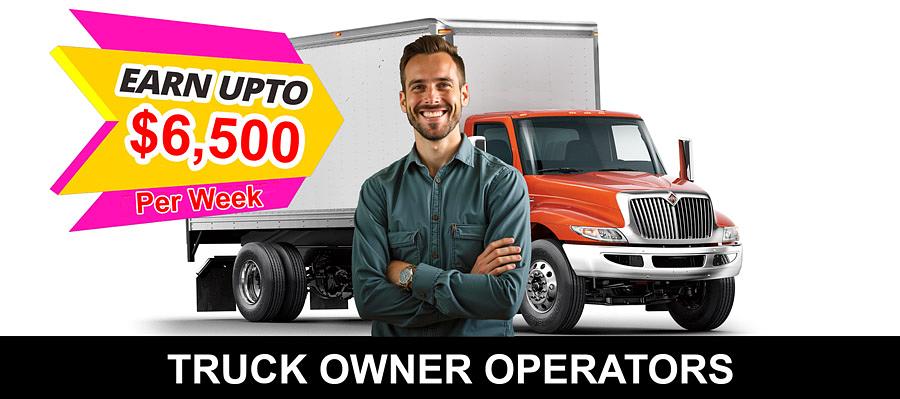
A truck owner-operator is an independent contractor who owns and operates their own trucking business, rather than being employed by a trucking company. They are responsible for all aspects of their business, including finding loads, paying for expenses like fuel and maintenance, and managing their own time and finances.
Key Aspects Of Being An Owner Operator
Business Ownership: They own or lease the truck and associated equipment.
Financial Responsibility: They are responsible for all business expenses and profits.
Independent Contractor Status: They are not employees of a trucking company but rather work as independent contractors.
Flexibility and Control: Owner-operators have more control over their schedules, work locations, and earnings.
Risk and Reward: They bear the risks of business ownership, but also have the potential for higher earnings.
High Earning Potential: You can earn more than a regular driver, as you keep a larger share of the profits.
Common types of jobs and industries that use Owner Operators
Regional Delivery Driver
Employers: UPS, FedEx Freight, R&L Carriers, XPO Logistics
Role: Transport palletized freight between distribution centers and retail locations or final destinations. Routes often cover multiple counties, with regular pick‑ups and drop‑offs.
Last‑Mile Delivery Driver
Employers: Amazon Logistics (Flex), DHL eCommerce, OnTrac, Roadie
Role: Deliver smaller packages directly to residential and business customers. Requires tight scheduling and good customer service.
Furniture & Appliance Mover
Employers: Two Men and a Truck, College Hunks Hauling Junk and Moving, local independent movers
Role: Load, transport, and unload household furniture and appliances. May include disassembly/reassembly, padding protection, and customer interaction.
Trade Show & Event Logistics Driver
Employers: Freeman, GES, local event production companies
Role: Haul crates and displays to convention centers (e.g., Anaheim Convention Center, LA Convention Center). Unload and stage exhibit materials.
Catering & Food Service Delivery
Employers: Aramark, Sodexo, local catering companies
Role: Transport prepared food and equipment for corporate events, weddings, film sets, and other large gatherings.
Commercial Landscaping & Nursery Supply Driver
Employers: Moosa Creek Nursery, Armstrong Garden Centers, Griffith Company
Role: Deliver plants, soil, mulch, and landscaping supplies to residential and commercial sites. May involve liftgate operation for heavy loads.
Recycling & Waste Removal Driver
Employers: Waste Management, Republic Services, local junk removal services (e.g., Junk King)
Role: Pick up bulk cardboard, scrap metal, and other recyclables or debris from businesses and construction sites.
Medical & Pharmaceutical Supply Driver
Employers: Cardinal Health, McKesson, Owens & Minor
Role: Deliver medical supplies, equipment, and pharmaceuticals to hospitals, clinics, and pharmacies on scheduled routes, often requiring temperature‑controlled cargo.
Retail Stock Replenishment Driver
Employers: Target, Walmart, Costco Wholesale, The Home Depot
Role: Move stock between warehouses and individual stores, restock backrooms, and sometimes set up floor displays.
Carpet & Flooring Installer Driver
Employers: Local flooring companies, Home Depot Pro, Lumber Liquidators
Role: Transport rolls of carpet, tile, hardwood, and installation tools to customer homes and job sites, and occasionally assist with light installation prep.
Sources For Finding Loads in Southern California
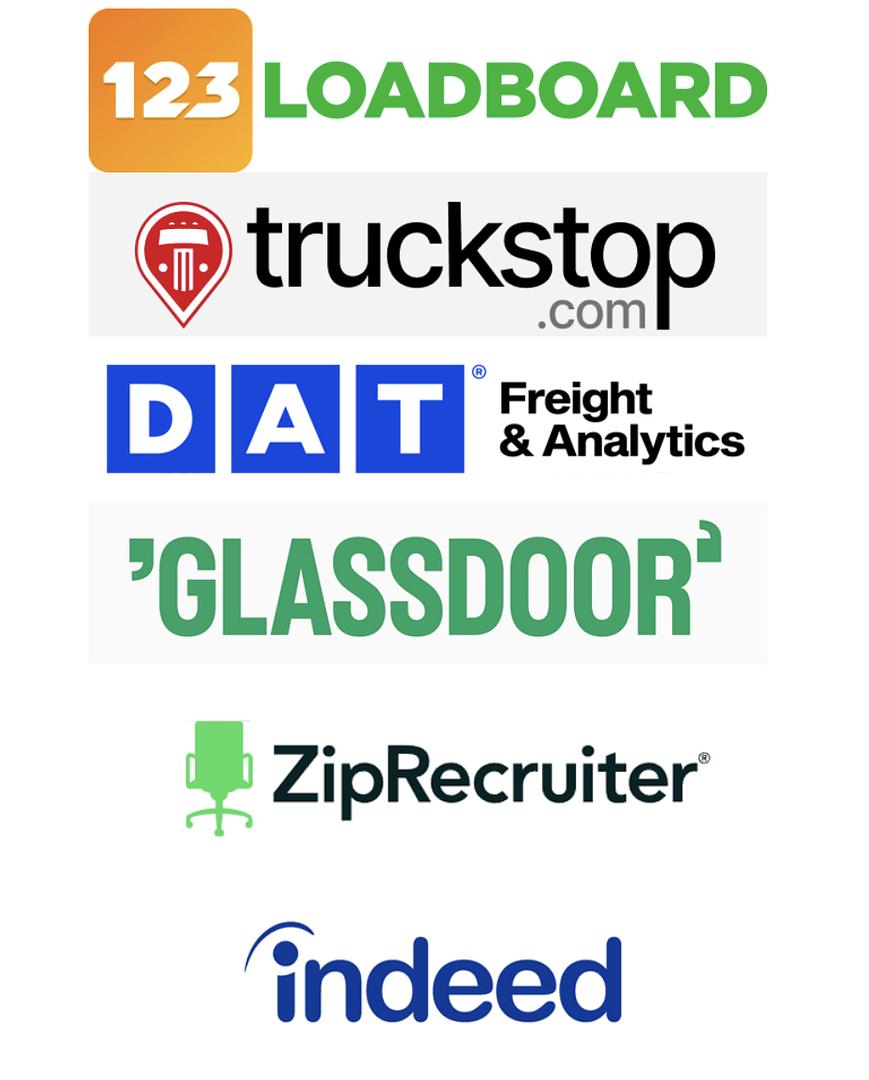
Online Job Boards
Ideed, ZipRecruiter, and Glassdoor, DAT, Truckstop.com, 123longboard and more
Local Staffing Agencies
Many logistics and moving companies contract drivers through temp‑to‑perm agencies.
Company Websites
Check careers pages of the major carriers and large regional firms.
Classifieds & Social Media Groups
Regional “drivers wanted” groups (e.g., “SoCal Drivers & Truckers”) can surface independent contractor opportunities.
Regulatory Requirements
CA & DOT Numbers
A commercial vehicle operated only within the state of California must obtain a Motor Carrier Permit, a CA number, and as of September 2016 a U.S. Department of Transportation (DOT) Number as well. See Federal Motor Carrier Safety Administration website: US DOT Number. A CA number can be obtained from the California Highway Patrol (CHP). See this DMV website for instructions and a link to the CHP form.
Motor Carrier Permit
A motor carrier who operates only within the state of California must obtain a "motor carrier of property" permit from the Motor Carrier Services Branch, MCP Operations Unit of the Department of Motor Vehicles. A Motor Carrier Permit may be obtained from the California Dept. of Motor Vehicles (DMV). (See the Motor Carrier Permit web page.)
Truck Insurance
The FMCSA requires owner-operators with their own authority to have liability coverage. General freight carriers must have at least $750,000 in coverage. Most shippers and freight brokers require $1 million in coverage.
You can also purchase other insurance types to protect your business, such as:
Cargo insurance
Physical breakdown insurance
Cargo insurance is essential for protecting hauled goods in the event of damage or theft.
Driver License
The type of CDL you need depends on what commercial vehicle you plan to drive. Choose between Class A (combination vehicles), Class B (heavy straight vehicles), and Class C (vehicles under 26,000 lbs GVW)).
Be sure to verify license requirements (often a valid Class B or Class A CDL, depending on gross vehicle weight rating and employer), insurance stipulations, and any endorsements (e.g., air brakes, medical examiner’s certificate) before applying.
Good luck with your search!
Networking & Associations
California Trucking Association (CTA)
Membership gives you access to legislative updates, insurance programs, and a carrier directory.
Website: https://caltrux.org/
Owner‑Operator Independent Drivers Association (OOIDA)
Advocacy group that also provides load board access, fuel discounts, and legal support.
Website: https://www.ooida.com/